
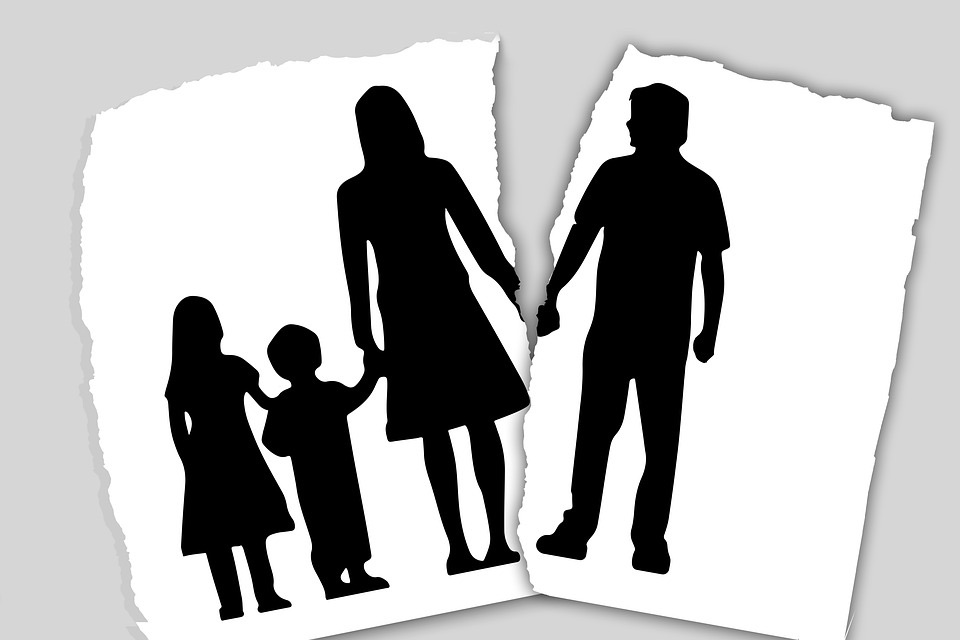
As we journey through the landscape of human experience, few events leave as indelible a mark on our lives as the fracturing of our family units. The dissolution of a marriage or the loss of a beloved family member doesn’t just disrupt the present; it echoes into the future, altering the very fabric of our being and the lens through which we view the world.
The Developmental Impact of Family Conflict
Consider the child born into a world where the parents’ marriage is a cascading series of conflicts and resolutions. Even in infancy, the emotional climate of the home is absorbed. The infant’s mirror neurons are constantly at work, reflecting the emotions of those around them. This child is growing, learning, and developing within a whirlwind of emotional turbulence, and even if the words to describe it are beyond their grasp, the emotional undercurrents are not.
Navigating Early Childhood Instability
As toddlers, children begin to navigate the world with a mix of curiosity and caution. A stable home environment provides the secure base from which they can explore. But when parents are caught in the throes of divorce, that base can feel anything but secure. The toddler may experience anxiety when separations occur, confusion during custodial exchanges, and a profound sense of loss without the cognitive ability to process or communicate it.
Behavioral Changes in School-Aged Children
Moving through to preschool and early school years, children become more acutely aware of the family dynamics shifting around them. They may overhear arguments, sense the stress in their parents’ voices, or pick up on the palpable changes in their daily routines. They might react with behavioral changes, regressions in milestones, or even physical symptoms as their young bodies attempt to cope with the stress.
Adolescence and the Quest for Identity
Adolescence ushers in a new set of challenges. The teenage years are fraught with the quest for identity and belonging, and the instability of a family break-up can add layers of complexity to this quest. Teenagers may feel forced to take sides, to become mediators, or to shoulder burdens that would be challenging for adults, let alone someone still developing their own sense of self. These experiences can shape their attitudes toward relationships, love, and trust for years to come.
The Adult Echoes of Early Childhood Trauma
As adults, the children of divorce often carry forward the imprints of their early experiences. They may approach their own relationships with caution, or perhaps a too-eager willingness to please, borne from the fear of repeating their parents’ history. Commitment may be a double-edged sword — simultaneously desired for the stability it promises and feared for the potential heartache it could bring.
The Chasm of Loss: Sibling and Parental Bereavement
Now, let us turn to the heart-rending loss of a family member — a parent, sibling, or close relative — and the chasm it leaves. For those who experience such loss in childhood or adolescence, it can be a profound interruption in the narrative of their life. The death of a parent or sibling can thrust a child into a world of adult emotions and responsibilities before they are ready. Their role within the family may change; they may become a caretaker, a surrogate parent, or the “strong one” who must keep everything together.
Physical and Mental Manifestations of Grief
The physical and mental toll of grief is immense. It’s not just an emotional burden; it can manifest in sleep disturbances, loss of appetite, or even mimic the symptoms of the loved one’s final illness. Grief can stunt growth, delay developmental milestones, and impact educational progress.
A Template for Future Sorrow
It can also become a lens through which all future losses are viewed — a template for sorrow that colors every goodbye, every ending, with the hues of that original loss. This template isn’t just a psychological construct; it’s woven into the very fabric of a person’s being, influencing how they build relationships, how they handle stress, and how they face the concept of mortality itself.
Fragility vs. Defiant Vitality
The grieving child may grow up with a heightened sense of life’s fragility, leading to a cautious approach to new experiences or relationships for fear of enduring another loss. Alternatively, they might swing to the opposite extreme, embracing a sort of defiant vitality, a determination to live fully in the face of the randomness of loss. This can manifest as risk-taking behavior or a refusal to engage with anything that feels like a constraint on their freedom to experience life.
Re-living Grief During Life Milestones
Bereavement and parental divorce are not just one-time events; they are processes that evolve over time. Anniversaries, holidays, and significant life milestones can all reignite the feelings of loss and abandonment. A child who lost a parent or experienced a parental divorce may find themselves re-living their grief during these times, feeling the absence of that person anew, or grieving for the family unity that once was.
Self-Worth and Health Risks in Later Life
The psychological landscape of such an individual is often marked by questions of self-worth and belonging. They may wonder if they were not enough to keep their family together, or why they were the ones to endure such a loss. These questions can lead to a lifelong journey for validation and understanding, with the hope of finding a place or a person that feels like home.
Chronic Stress and Physiological Impact
Physically, the stress of loss or parental divorce can take a toll on a person’s health. Studies have shown that children who experience these traumas are at higher risk for a variety of health issues later in life. The chronic stress can impact the immune system, making them more susceptible to illness. There is also evidence to suggest a link between adverse childhood experiences, including loss and divorce, and chronic conditions such as heart disease, diabetes, and mental health disorders.
Cynicism, Resilience, and Social Attachment
In their perception of life, individuals shaped by these early traumas might adopt a more cynical view, a belief that all good things are transient, or that they are undeserving of happiness. They may also develop a deep-seated resilience, an understanding that pain can be endured and that they have the strength to overcome adversity.
The Social Realm: Fear of Abandonment
The impact of these experiences also extends into the social realm. Relationships with peers, romantic partners, and even their own children can be colored by the fear of loss or abandonment. They may struggle to form attachments, or they may overcompensate by becoming overly attached. Communication can be fraught with the unspoken fear of triggering conflict or causing a separation akin to what they experienced in their youth.
The Role of Support Systems and Therapy
Understanding these deep-seated impacts is crucial for parents, educators, therapists, and society as a whole. Recognizing the signs of distress and providing a supportive environment can help mitigate some of the negative outcomes associated with loss and divorce. Therapy, support groups, and open, age-appropriate communication can provide children and adolescents with the tools they need to process their emotions and experiences in a healthy way.
A Story of Survival and Healing
Ultimately, those who have lived through the turmoil of a family breaking apart or the sorrow of losing a loved one carry with them a story of survival. Their experiences shape them, but they do not have to define them. With support, understanding, and the passage of time, the wounds can heal, and the scars can become symbols of strength and resilience.
Identity Formation on Shifting Sands
The journey of healing and growth for individuals who have experienced these profound losses or the seismic shifts of parental divorce is not linear. It’s a path marked by peaks and valleys, by moments of profound insight and periods of challenging setbacks. Each person’s journey is unique, and yet, there are common threads that bind these experiences together.
One of these threads is the quest for identity. For a child or adult who has seen their family structure change dramatically, questions like “Who am I?” and “Where do I fit in?” take on even greater significance. They may feel like a piece of their history has been erased or rewritten, and this can lead to a deep search for personal meaning and a place in the world that feels genuinely their own.
The Fundamental Challenge of Trust
Another thread is the challenge of trust. Trust is a fundamental aspect of any relationship, and when a child witnesses the breakdown of trust between their parents, or when they lose a family member to whom they were deeply attached, it can alter their ability to trust others.
They may become hyper-vigilant, always on the lookout for signs of betrayal or abandonment, or they may swing to the other extreme and become overly trusting, seeking to recreate the bond they’ve lost. This can lead to a complex dance in their relationships, where trust is both coveted and feared.
The Capacity for Compassion and Empathy
But it’s not all darkness and difficulty. There is also the potential for incredible personal growth and empathy. Individuals who have navigated the waters of loss and divorce often develop a profound capacity for understanding and compassion. They may become the friends who listen the deepest, the partners who cherish the most, and the parents who love with an acute awareness of life’s preciousness.
Societal Responsibilities and Open Communication
For society, understanding these impacts is crucial. It calls for compassion, patience, and a willingness to provide support systems that recognize the long-term effects of family loss and divorce. It also demands of us to be mindful of the language we use, the support we offer, and the policies we enact to ensure that those who are moving through these life-altering experiences feel seen, heard, and supported.
Fostering Education and Proactive Caring
Education is also key. By educating parents, teachers, and caregivers on the signs of distress in children and adults dealing with loss or divorce, we can intervene earlier and provide the necessary support. This could take the form of counselling, support groups, or simply a listening ear.
Writing Your Own Narrative
In conclusion, life after loss or divorce can also lead to a redefinition of what family means. Those who have been through these experiences may create their own families, whether through friendships, chosen family structures, or by becoming involved in community or volunteer work that provides a sense of belonging and purpose.
Individuals have the power to write their own narratives, to take the threads of their experiences, no matter how painful, and weave them into a story of survival, growth, and hope. They can become more than their past, more than the sum of their experiences. They can use their journey as a source of strength, and in doing so, become a beacon of resilience and possibility for others.