
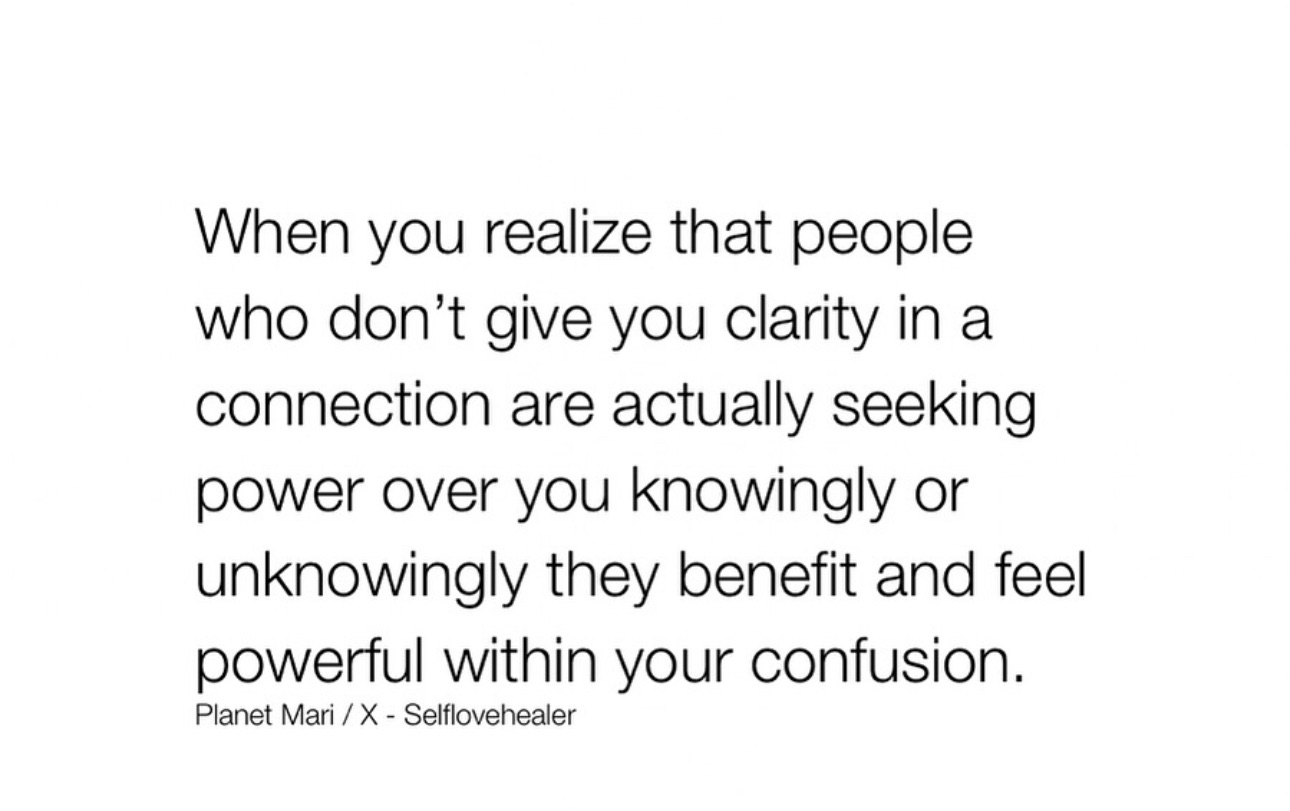
In the ever-evolving dynamics of human relationships, the boundaries between friendship and romance can sometimes blur, causing ripples in the waters of trust and commitment. This becomes particularly complex when individuals in a committed relationship find themselves dealing with a partner’s friend whose intentions seem less than innocent.
The Illusion of Being “Just a Friend”
Consider the scenario where a woman in a committed relationship notices that her partner has a friend – a woman who has been in the picture for years, claiming the title of ‘just a friend’. But the interactions between this friend and her partner begin to raise eyebrows. The friend seems to reach out to her partner with an alarming frequency, often under the guise of long-standing friendship, yet their intent appears to be laced with underlying motivations.
The Palpable Current of Exclusion
What follows is a delicate dance of social interaction, where the woman in the relationship feels like an outsider. It’s not just the frequency of contact that’s concerning; it seems the friend specifically chooses moments when she’s not around to engage with her partner, sometimes intentionally when the woman in the relationship is around so she can be aware that she’s making contact to her partner. The underlying current of exclusion is palpable, as if there’s a deliberate attempt to carve out a separate space that doesn’t include her.
Calculated Maneuvers and Provocation
The situation becomes even more tangled when these interactions seem to be a deliberate ploy to provoke a reaction. The ‘friend’ might contact her partner for activities that traditionally would include the significant other, yet there’s a distinct effort to exclude her from these plans.
Creating a Wedge
The woman in the relationship begins to sense a pattern – a series of calculated maneuvers designed to undermine her presence and create a wedge in her relationship. This friend might even go as far as to accuse the woman of being controlling or jealous when she expresses discomfort.
The Narrative Shift: The narrative is spun in such a way that if she reacts, she is labeled the aggressor, the one who overreacts without cause. It’s a clever inversion of the truth, where the actual provocation is masked under a veneer of innocence.
The Comparison Trap and False Equivalence
In the midst of this, comparisons with the ‘friend’s’ own relationship might be drawn. The ‘friend’ might highlight how they would never react in such a manner, quietly pointing out that they have a more trusting or open dynamic with their own partner. This serves to plant seeds of doubt, suggesting that the woman’s unease is a personal failing rather than a legitimate concern.
The Quid Pro Quo Myth
One of the most perplexing aspects is when the ‘friend’ implies a quid pro quo that doesn’t exist. They might insinuate that the woman is equally free to interact with their partner, when, in reality, she doesn’t share the same history or level of familiarity. It’s a false equivalence, designed to further portray her as unreasonable.
The Catch-22 of Silence vs. Speaking Up
In these situations, the woman might find herself in a catch-22.
- The Risk of Silence: If she remains silent, the unwelcome behavior continues.
- The Risk of Speaking: If she speaks up, she risks being targeted as the source of drama, providing the ‘friend’ with the ammunition they need to paint her in a negative light.
Respect and the Sanctity of Partnership
What we must understand is that this kind of dynamic isn’t just about friendship or jealously; it’s about respect and boundaries within relationships. At the heart of this issue is the sanctity of a committed partnership, and the understanding that while friendships are valuable and important, they should not come at the expense of a significant other’s comfort and trust.
Fostering Foundations of Trust
Navigating these complex waters requires open communication between partners, a clear understanding of boundaries, and the mutual respect to uphold those boundaries. It’s essential to recognize that while one cannot control the actions of others, one can control their own responses and work with their partner to strengthen their bond against external pressures.
In the end, it’s not about casting people as villains or victims, but rather about fostering relationships – both romantic and platonic – that are built on a foundation of respect, trust, and genuine affection.
Respecting a partner’s peace should always come before a friend’s access. Have you ever dealt with a “friend” who seemed to intentionally test your boundaries or exclude you from your own partner’s world? How did you and your partner handle it? Let’s discuss protecting our peace in the comments.