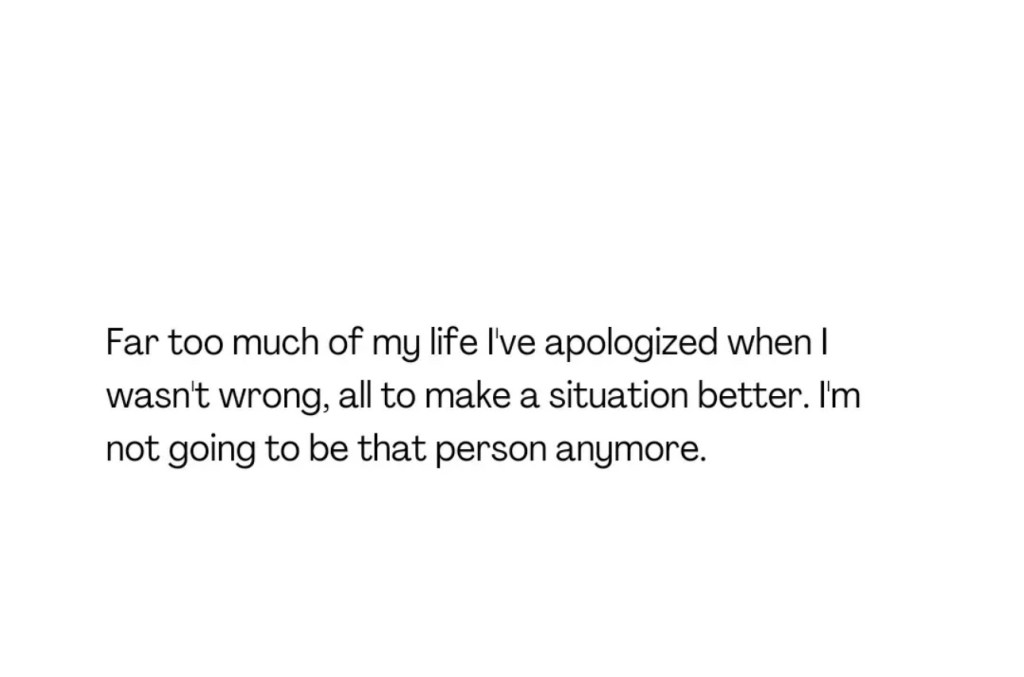
Hey there, lovely readers! It’s Tina here, and today we’re diving into a topic that’s as deep as the ocean and as essential as oxygen—trust. Trust is one of those concepts that we all intuitively understand, yet when it comes to defining it, things can get a bit murky. So, grab your favorite drink, get comfy, and let’s embark on a journey to explore what trust truly means, why it’s so important, and how it shapes our lives. And, because life is too short to be serious all the time, we’ll sprinkle in a bit of humor along the way.
Let’s start with the basics. Trust, to me, is the foundation of all meaningful relationships. It’s the invisible thread that binds us to our loved ones, friends, and even colleagues. Without trust, relationships become shaky, like a Jenga tower on the verge of collapse. But with trust, they flourish and grow, creating a strong and stable structure that can withstand the test of time. Trust isn’t a one-size-fits-all concept. It exists on a spectrum, ranging from casual acquaintances to the deepest bonds. For example, you might trust the barista at your favorite coffee shop to make your latte just right, but you wouldn’t necessarily trust them with your deepest secrets. On the other hand, you might trust your best friend with your life, knowing they’ll be there for you through thick and thin.
Building trust is like planting a garden. It takes time, patience, and care. You can’t just sprinkle some seeds and expect a lush garden overnight. Similarly, trust is built through consistent actions and experiences. It’s about showing up, being reliable, and proving that you can be counted on, whether it’s in small daily interactions or during life’s big moments. When it comes to relationships, trust is the glue that holds everything together. In romantic relationships, trust means being vulnerable with your partner, sharing your fears and dreams, and knowing they’ll support you. It means being honest, even when the truth is uncomfortable. Trust is the foundation that allows love to flourish and deepen over time.
In friendships, trust is about being there for each other, whether it’s a shoulder to cry on or someone to share your silliest secrets with. It’s about knowing that your friend has your back, no matter what. A true friend is someone you can trust implicitly, without a shadow of doubt. Family is where we first learn about trust. As children, we trust our parents or guardians to take care of us, to keep us safe, and to guide us. This foundational trust shapes our understanding of the world and our relationships with others. In healthy families, trust is nurtured through love, support, and open communication. It’s knowing that, no matter what happens, your family will always be there for you. As parents, we strive to earn our children’s trust by being consistent, reliable, and loving. We teach them that they can count on us, and in turn, we hope they’ll grow up to be trustworthy individuals themselves.
Trust isn’t just important in our personal lives; it’s crucial in the workplace too. A healthy work environment is built on trust between colleagues, managers, and employees. It’s about trusting that your team will meet deadlines, that your manager has your best interests at heart, and that everyone is working towards the same goals. When trust is present in the workplace, it fosters collaboration, creativity, and productivity. People feel valued and respected, and they’re more likely to go above and beyond. On the flip side, a lack of trust can lead to a toxic work environment, with micromanagement, low morale, and high turnover.
One of the most challenging aspects of trust is its fragility. It takes years to build but can be shattered in an instant. A single lie, betrayal, or broken promise can erode trust and leave deep scars. Rebuilding trust after it’s been broken is a monumental task, requiring time, effort, and genuine remorse. When trust is broken, it’s like breaking a delicate vase. You can try to glue the pieces back together, but it will never be the same. The cracks will always be there, serving as a reminder of what happened. However, with dedication and commitment, it is possible to rebuild trust and create a new, stronger bond.
Trust isn’t just about our relationships with others; it’s also about our relationship with ourselves. Self-trust is the confidence we have in our own abilities, decisions, and judgments. It’s knowing that we can rely on ourselves to navigate life’s challenges and to stay true to our values. Building self-trust involves being honest with ourselves, setting realistic goals, and acknowledging our strengths and weaknesses. It’s about treating ourselves with the same kindness and respect that we offer to others. When we trust ourselves, we’re more resilient, confident, and capable of facing whatever life throws our way.
Effective communication is the lifeblood of trust. Whether it’s in personal relationships, family dynamics, or the workplace, open and honest communication is key. It’s about expressing our thoughts and feelings clearly, listening actively, and addressing issues head-on. When we communicate openly, we create a space where trust can thrive. We show others that we value their perspectives and that we’re willing to work through challenges together. Conversely, poor communication can lead to misunderstandings, resentment, and a breakdown of trust.
Now, let’s sprinkle in a bit of humor, because why not? Trust is like a good joke—it works best when it’s genuine, light-hearted, and comes from a place of connection. Laughter can be a powerful tool in building and maintaining trust. It breaks down barriers, lightens the mood, and creates shared experiences that strengthen bonds. Think about it: how many times have you laughed with a friend or loved one and felt even closer as a result? Humor brings people together and reminds us that, at the end of the day, we’re all human. We all have quirks, make mistakes, and need a good laugh every now and then.
In today’s digital age, trust takes on new dimensions. With social media, online dating, and remote work, we often find ourselves building trust with people we’ve never met in person. This can be both exciting and challenging. Online, trust is built through consistency, transparency, and authenticity. It’s about being true to yourself and treating others with respect. Whether you’re forming friendships, romantic relationships, or professional connections, the principles of trust remain the same. Ultimately, trust is a powerful force that shapes our lives in profound ways. It’s the cornerstone of our relationships, the foundation of our communities, and the bedrock of our society. Trust enables us to connect, collaborate, and create a better world together.
So, lovely readers, as we navigate this journey called life, let’s strive to be trustworthy and to build trust with those around us. Let’s communicate openly, treat others with kindness, and never take trust for granted. After all, it’s the invisible thread that holds us all together. What does trust mean to you? How do you build and maintain trust in your relationships? Share your thoughts and stories in the comments below. Until next time, keep trusting, keep laughing, and keep being the amazing, trustworthy people you are.
Love,
Tina

 Stories From Tina