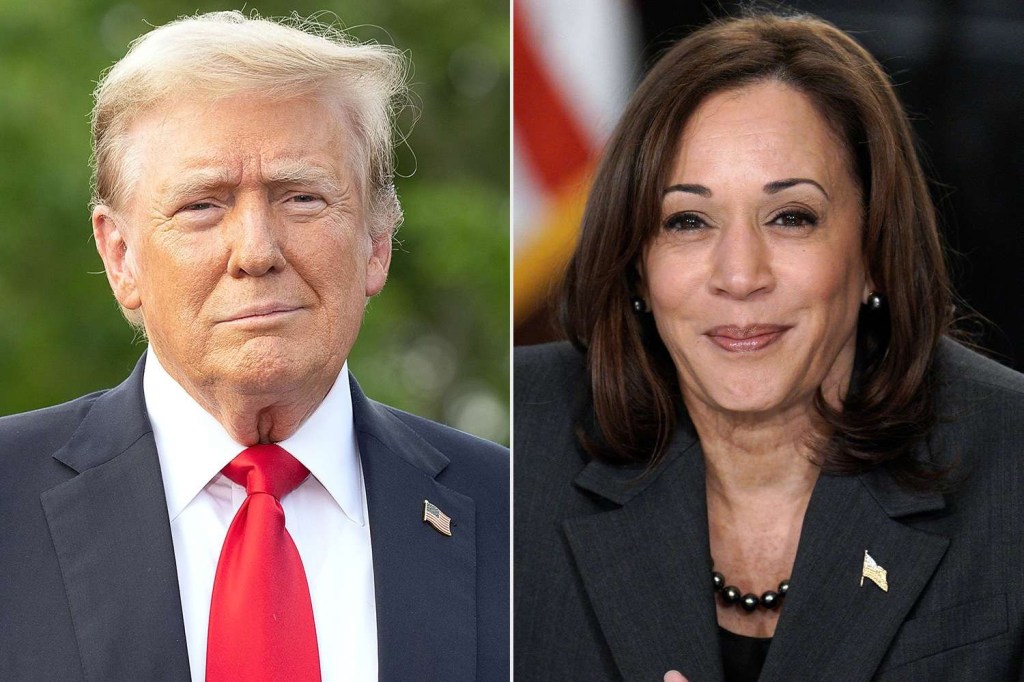
Hey there, lovely readers! Tina here, your friendly neighborhood storyteller, bringing you the latest from the wild world of American politics. Grab your popcorn, because this year’s presidential election is shaping up to be more dramatic than a soap opera. Spoiler alert: Joe Biden has dropped out, Trump, a certified felon, is still running, and Vice President Kamala Harris is now the likely contender. Buckle up, folks, because this ride is about to get bumpy!
First things first, can we talk about how Joe Biden dropped out of the presidential race? It’s like the plot twist no one saw coming. One minute he’s our Commander-in-Chief, the next he’s saying, “Nah, I’m good.” Imagine watching your favorite TV show, and the main character just decides to leave the series without any warning. That’s exactly how it feels. Now, we’ve got Kamala Harris stepping up to the plate, squaring off against Trump. Yes, you heard that right, Trump—a man with more legal issues than a soap opera villain—is still in the race. How is it that someone with a criminal record can run for president, but regular folks with a similar background can’t even get a decent job? It’s like we’re living in a parallel universe where logic took a vacation.
Now, let’s talk about the elephant in the room—Trump. The man’s a felon, yet he’s crisscrossing the country, campaigning like he’s auditioning for the role of President 2.0. Meanwhile, people with far less severe records are struggling to find employment, let alone run for the highest office in the land. It’s a head-scratcher, isn’t it? It’s like watching a bad reality TV show, but instead of getting voted off the island, he’s trying to vote himself back into the White House.
And then there’s Kamala Harris. She’s got the credentials, the experience, and the tenacity. But let’s be real—America isn’t exactly rolling out the red carpet for a woman president. Remember when Hillary Clinton ran? It was like watching a Shakespearean tragedy unfold. The sad reality is that many people, especially men, still aren’t ready for a woman to call the shots. It’s a man’s world, and they’re not about to hand the keys over to a woman, no matter how qualified she is. We’ve got a long way to go, folks, and it’s about time we started getting there.
But here’s the kicker—other countries are looking at us like we’re the punchline of a bad joke. “Oh, America, you’re so progressive,” they say with a sarcastic smirk. We’re like the class clown who doesn’t realize everyone’s laughing at them, not with them. It’s embarrassing, really. We’ve got a choice between a felon and a woman, and somehow that’s controversial. It’s 2024, people! If Mexico can elect a woman president, why can’t we?
Let’s weigh the pros and cons of having Kamala Harris versus Trump. On one hand, Harris brings a breath of fresh air, a new perspective, and the potential for real progress. She’s got policies that could benefit healthcare, education, and racial equality. Imagine a president who actually cares about the well-being of all citizens, not just the top 1%. Harris has shown a commitment to addressing systemic racism, supporting women’s rights, and tackling climate change. These are not just buzzwords for her; they’re part of a genuine agenda for change.
On the other hand, Trump’s return promises a reign of vengeance. He’s made it clear he’s got a hit list, and we’re all on it. His policies favor the rich, aim to kick out immigrants, and could set the country back decades. It’s like choosing between a fresh start and a sequel to a horror movie. Do we really want to go back to the days of divisive rhetoric and policies that alienate large swaths of the population? Trump’s first term was marked by scandals, impeachments, and an overall sense of chaos. Do we want to relive that?
The reality is, many people still support Trump. They see him as a strong leader who tells it like it is. But let’s not kid ourselves—his track record does more harm than good. He’s divisive, favors the wealthy, and has a knack for alienating entire communities. If he wins again, expect immigration rules to tighten, starting with African American and Hispanic communities. It’s a scary thought, but one we can’t ignore.
Now, let’s dive deeper into the societal implications of having a woman as president. The United States has always been a country that prides itself on breaking barriers and setting trends. Yet, when it comes to the highest office in the land, we’re lagging behind. Countries like New Zealand, Germany, and even our neighbor Mexico have already elected women to lead them. So what’s holding us back? It’s not like women haven’t proven themselves capable. We’ve seen women excel in every field—from science to business, from academia to the arts. So why not politics?
The resistance to a woman president isn’t just about qualifications; it’s about deep-seated societal norms and gender biases. There’s a pervasive belief that leadership is inherently a male trait. This mindset is not just outdated; it’s dangerous. It prevents us from tapping into a vast reservoir of talent and perspective that could actually help solve many of our most pressing issues. Let’s face it: the world is changing, and our leadership should reflect that.
Consider the pros and cons of Kamala Harris as president. Pros? She’s a trailblazer, having already made history as the first female Vice President of the United States. Her background as a prosecutor and senator gives her a unique perspective on justice and legislation. She’s shown a strong commitment to healthcare reform, education, and social justice. Her presidency could mean advancements in these areas, along with a renewed focus on climate change and women’s rights.
Cons? Well, there are concerns about her ability to unite a deeply divided nation. Her prosecutorial background has also been a point of contention for some, particularly regarding her past decisions on criminal justice. But let’s be real—every candidate has baggage. The question is whether their positives outweigh their negatives. And in Harris’s case, many believe they do.
Now, let’s talk Trump. His supporters see him as a maverick who shakes things up. They appreciate his bluntness and his commitment to dismantling what he calls the “deep state.” But let’s not ignore the downsides. His presidency was marred by controversy, from the handling of the COVID-19 pandemic to the numerous legal issues that have followed him. If he wins again, we can expect more of the same—policies that favor the wealthy, stricter immigration laws, and a continuation of his divisive rhetoric.
Trump has promised to tighten immigration laws even further, which could significantly impact African American and Hispanic communities. His stance is clear: he wants to build walls, both literal and figurative, to keep certain groups out. This is not just about border security; it’s about creating an exclusionary America. His economic policies, while touted as beneficial for growth, primarily favor the wealthy and large corporations. Tax cuts for the rich, reduced regulations for businesses—these are hallmarks of his economic agenda. But what about the average American? The middle and lower classes? They often find themselves left out of the prosperity that Trump promises.
On the global stage, Trump’s return to the presidency could isolate the United States further. His “America First” policy often translates to “America Alone.” We’ve seen strained relationships with our allies and an emboldened stance by our adversaries. Do we really want to continue down this path of isolationism?
In contrast, Harris has promised to repair these international relationships and restore America’s standing in the world. She aims to rejoin global agreements on climate change and nuclear disarmament, emphasizing cooperation over confrontation. This approach could lead to a more stable and secure world, something we desperately need.
But let’s not forget—politicians, regardless of their party, have a knack for making grand promises. It’s up to us, the voters, to sift through the rhetoric and make informed decisions. We need to look beyond the soundbites and focus on the substance. What are these candidates actually proposing? How will their policies impact our daily lives?
Let’s also address the gender issue head-on. Why should we give a woman a chance at the presidency? Because we’ve seen what men can do, and it’s time for a change. Women bring empathy, resilience, and a collaborative approach to leadership. These are qualities we need in a president. A woman in the Oval Office could inspire a new generation of leaders, showing young girls that they too can aspire to the highest office in the land. It’s not just about breaking a glass ceiling; it’s about redefining what leadership looks like.
Both Harris and Trump have laid out their visions for America. Harris talks about unity, healthcare reform, and racial equality. She’s focused on rebuilding our infrastructure, investing in renewable energy, and ensuring that every American has access to quality healthcare. Her plans are ambitious, but they’re also necessary. We need bold ideas to tackle the challenges we face.
Trump, on the other hand, is vocal about his plans to tighten immigration, boost the economy (for the rich), and maintain his hardline policies. He’s not one for compromise, which is both his strength and his downfall. His vision for America is one of strength and independence, but it often comes at the cost of inclusivity and cooperation.
An important aspect to consider is the potential impact of these two candidates on social justice issues. Harris’s background as a prosecutor has been both a strength and a point of contention. She’s pushed for reforms in the criminal justice system, advocating for policies that address systemic racism and inequality. Her record shows a mix of tough-on-crime stances and progressive reforms, which provides a nuanced perspective on law enforcement and justice. She’s supported measures like ending cash bail, decriminalizing marijuana, and improving police accountability. These initiatives aim to create a more equitable justice system that serves all communities fairly.
On the flip side, Trump’s approach to social justice issues has been markedly different. His administration’s stance on law and order has often been criticized for being overly punitive and lacking in empathy towards marginalized communities. The high-profile instances of police brutality during his tenure, and his responses to them, often exacerbated tensions rather than soothed them. His rhetoric around these issues has frequently polarized the nation, making it harder to bridge the divides that plague American society.
When it comes to education, Harris has advocated for increased funding for public schools, teacher pay raises, and debt-free college education. She understands that education is a critical pathway to opportunity and is committed to making it accessible to all. Her plans include increased investment in early childhood education and community colleges, aiming to ensure that all students, regardless of their background, have a fair shot at success.
Trump’s education policies, meanwhile, have focused on school choice and voucher programs, which he argues provide better opportunities for students in failing public schools. Critics, however, argue that these policies divert much-needed funds from public schools and exacerbate inequalities in the education system. The debate between public funding for traditional schools versus school choice is a significant point of contention and speaks to the broader ideological differences between the two candidates.
In terms of economic policy, Harris’s plans include tax cuts for the middle class, increasing the federal minimum wage, and implementing policies to address income inequality. She has proposed measures to support small businesses, expand access to affordable housing, and invest in infrastructure to create jobs and stimulate economic growth. Harris aims to build a more inclusive economy that provides opportunities for all Americans to thrive and prosper.
On the other hand, Trump’s economic policies have focused on deregulation, tax cuts for corporations and the wealthy, and a “America First” agenda that emphasizes protectionist trade policies. His administration has touted job growth and a booming stock market as indicators of a strong economy. Critics, however, argue that his policies have primarily benefited the wealthy and large corporations, widening the gap between the rich and the poor.
Overall, the contrasting approaches of Harris and Trump on issues such as social justice, education, and economic policy highlight the divergent visions they have for the country. Voters will need to carefully consider these differences and how they align with their own values and priorities when making their decision at the polls.
She also emphasizes the importance of addressing climate change and transitioning to a clean energy economy, which she believes will not only protect the environment but also create new job opportunities in emerging industries.
In contrast, Trump’s approach to climate change has been marked by skepticism and a focus on promoting the fossil fuel industry. His administration rolled back environmental regulations, withdrew from the Paris Agreement, and prioritized economic growth over environmental protection. This stance has drawn criticism from environmental advocates who argue that urgent action is needed to combat climate change and its devastating effects.
On healthcare, Harris has been a vocal advocate for expanding access to affordable healthcare for all Americans. She supports building on the Affordable Care Act to create a public option and lowering prescription drug prices. Harris believes that healthcare is a fundamental right and has proposed policies to ensure that no one goes bankrupt due to medical expenses.
Trump, on the other hand, has repeatedly tried to repeal the Affordable Care Act without a clear replacement plan. His administration has taken steps to weaken key provisions of the ACA, such as protections for pre-existing conditions. Trump has also expressed support for market-driven healthcare solutions and has focused on lowering healthcare costs through competition and price transparency.
In terms of healthcare, Senator Harris has been a strong proponent of expanding access to affordable healthcare for all Americans. She advocates for building upon the Affordable Care Act to introduce a public option and lowering the costs of prescription drugs. Harris firmly believes that healthcare is a basic right and has put forward policy proposals to ensure that individuals are not financially burdened by medical expenses.
Conversely, President Trump has made multiple attempts to repeal the Affordable Care Act without offering a clear alternative plan. His administration has taken actions to weaken critical provisions of the ACA, including protections for individuals with pre-existing conditions. Trump favors market-driven solutions for healthcare and has prioritized reducing healthcare costs through fostering competition and enhancing price transparency.
As the election draws near, voters must carefully consider the divergent policy platforms and visions presented by Senator Harris and President Trump across various issues. The election’s outcome will significantly impact the country’s trajectory and the welfare of its citizens. It is essential for voters to stay well-informed, exercise critical thinking, and actively participate in the democratic process to help shape the future they desire.

 Stories From Tina