Please note that this blog post discusses sensitive topics such as the criminal justice system and its flaws, the experience of incarceration, and the societal impact of prisons. Reader discretion is advised.
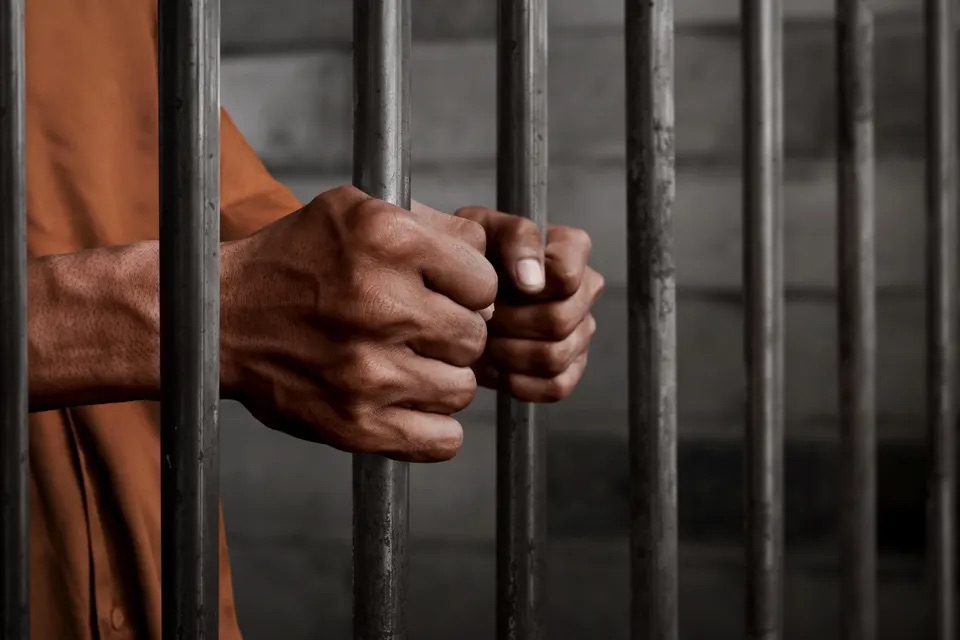
The clang of metal doors echoes through the concrete corridors, a stark reminder of the grim reality faced by those within these walls. A prison cell, by design, is a world apart, a place where freedom is but a distant memory, and the future is as cold and hard as the steel bunks that line its perimeter. Here, within these confining walls, lives are reduced to numbers, and stories to case files.
For many, the journey to this place begins with a mistake, a moment of desperation, or a systemic failure that regards them as little more than statistics. Yet each person behind bars is a tapestry of experiences, fears, and hopes. They are mothers and fathers, sons and daughters, people who once had lives as vibrant and complex as any we claim for ourselves.
The path to incarceration is often paved with injustice. Racism, a blight that has long marred the fabric of society, casts its shadow here too. Suspects are rounded up based on the color of their skin or the neighborhoods they hail from, and the innocent are ensnared alongside the guilty. Quotas needing to be met, eyewitness misidentification, and a system that is too often indifferent to the truth, all contribute to the swelling ranks of the unjustly imprisoned.
In the harsh light of a cell, love and support can be a lifeline. Yet, for those who dare to offer their hearts to someone on the inside, judgment is swift and merciless. Friends and family chide them for investing time and emotion in someone who, in their eyes, has forfeited the right to it. They warn of the burdens that come with loving a convicted individual, how life after incarceration is marred by stigma, and how opportunities for a fresh start are scarce.
The public defenders, often overworked and underfunded, are tasked with standing against this tide. Their clients are urged into plea deals, sometimes guilty, sometimes not, but nearly always without a full understanding of their rights or the consequences. The scales of justice, which should be blind to all but the truth, are unbalanced by the heavy hand of economic inequality.
Within the prison itself, the story grows darker still. Abuse, both physical and psychological, is a currency among inmates and, at times, even the custodians of the law. The vulnerable suffer in silence, carrying scars that question their identity and worth. The system, a supposed instrument of correction, becomes an agent of damage and despair.
The government, for its part, perpetuates this cycle. Prisons are seen not as a last resort but as a solution to societal ills, a way to exert control, to disappear the inconvenient and the troublesome. And the populace, often unaware or indifferent, allows this machinery of confinement to grind on, out of sight and out of mind.
Judges and lawyers, those who navigate this system daily, find themselves torn. Their humanity urges them to seek justice, to temper the law with mercy. Yet they are bound by the very rules they wish they could bend, and over time, the ceaseless march of cases can harden the softest heart, turning empathy into apathy.
Incarceration changes a person. The body endures the rigors of confinement, while the mind wrestles with the isolation and the loss of autonomy. Some emerge with a renewed purpose, others are broken, shadows of their former selves. For those who receive no aid, who are abandoned by the world outside, survival becomes a solitary struggle, a fight to reclaim dignity in a place where it is all too scarce.
In the most desperate of circumstances, some find kinship in the ranks of gangs or other fringe groups, seeking in them the community and understanding that life has denied them. This brotherhood, forged in adversity, often comes at a steep price, demanding loyalty that can lead back to the very cells they once escaped.
This is a glimpse of life inside prison, a place where humanity is tested, and justice is a coin that too often lands on its edge. It is a reminder that the system, in its pursuit of order, forgets the individual. It’s a call to remember those who are hidden away, to question the policies that put them there, and to challenge ourselves to imagine a society where prisons are not warehouses for people, but a last resort in the pursuit of true justice.
The narrative of incarceration is complex and multilayered, each layer revealing the profound impact of prison on the human spirit and societal fabric. To delve deeper into this subject, we must understand that incarceration does not occur in a vacuum. It is the result of a series of systemic failures, and its effects ripple outward, touching families, communities, and the very essence of our social contract.
The Human Cost of Mass Incarceration
In the United States, the phenomenon of mass incarceration has become a pressing social issue. The country, despite having less than 5% of the world’s population, houses nearly a quarter of the world’s prisoners. Behind this staggering statistic are millions of individual stories, each reflecting the human cost of a policy that favors imprisonment over rehabilitation.
The Cycle of Poverty and Crime
Poverty and crime are often inextricably linked, creating a vicious cycle that ensnares generations. Impoverished communities frequently lack access to quality education, employment opportunities, and social services. This environment can foster a sense of hopelessness, and for some, crime appears as a viable means of survival. Once caught in the criminal justice system, the poor are at a distinct disadvantage, unable to afford the legal representation that could mean the difference between acquittal and conviction.
The Role of Mental Health
Mental health issues are prevalent among the incarcerated population, yet prisons are ill-equipped to provide adequate care. Many individuals with mental health conditions end up in jail or prison due to a lack of community resources, where their conditions often deteriorate. The prison environment can exacerbate mental health issues, leading to increased instances of self-harm, suicide, and further behavioral problems that hinder reintegration into society.
Racial Disparities and the War on Drugs
Racial disparities in the criminal justice system are well-documented. The War on Drugs, initiated in the 1980s, disproportionately targeted communities of color, leading to higher rates of arrests, convictions, and harsher sentences for drug offenses. This has contributed to generational trauma within these communities, as countless individuals have been removed from their families and stripped of their potential.
The Invisible Plight of Women in Prison
Women in prison often represent the forgotten face of incarceration. Many of these women are survivors of abuse and have been convicted of non-violent crimes. In prison, they face unique challenges, including a lack of gender-specific healthcare, the trauma of separation from their children, and the threat of sexual violence. The rising rate of female incarceration calls for a reevaluation of the social support systems that fail these women before they enter the criminal justice system.
The Economics of the Prison Industry
The prison industry, in some cases, operates as a for-profit entity, creating perverse incentives to maintain high incarceration rates. Private prisons, by their nature, prioritize shareholder profits, which can lead to cost-cutting measures that affect inmate welfare, rehabilitation efforts, and staffing conditions. The commodification of prisoners raises profound ethical questions about the role of profit in the administration of justice.
Life After Release
Reentry into society post-incarceration is fraught with challenges. Former inmates often face discrimination in housing, employment, and education, effectively hindering their ability to rebuild their lives. The stigma attached to a criminal record can be a lifelong barrier, and without support, many relapse into criminal behavior, becoming ensnared once more in the cycle of re-incarceration.
Calls for Reform
Amidst these dire circumstances, there are growing calls for reform. Advocates argue for a shift toward restorative justice models that focus on repairing the harm caused by criminal behavior rather than punitive measures alone. There’s a push for sentencing reforms, the decriminalization of certain offenses, better access to mental health services, and the dismantling of systemic racism within the criminal justice system.
The Power of Advocacy and Hope
Despite the bleak landscape, stories of hope and resilience emerge. Advocacy groups work tirelessly to bring attention to cases of wrongful conviction, and campaigns like the Innocence Project have secured the release of individuals who spent years behind bars for crimes they did not commit. Education programs within prisons have shown promise in reducing recidivism, and mentorship initiatives provide a support network for those reentering society.
In conclusion, the prison system reflects the broader societal values and challenges. It is a mirror that shows us who we are as a society and what we deem worthy of punishment or compassion. As we consider the lives touched by the cold hand of incarceration, we must ask ourselves if we are comfortable with the reflection that stares back at us. Change begins with awareness and is propelled by the collective will to envision a system that upholds justice in its truest form—fair, equitable, and humane.

 Stories From Tina