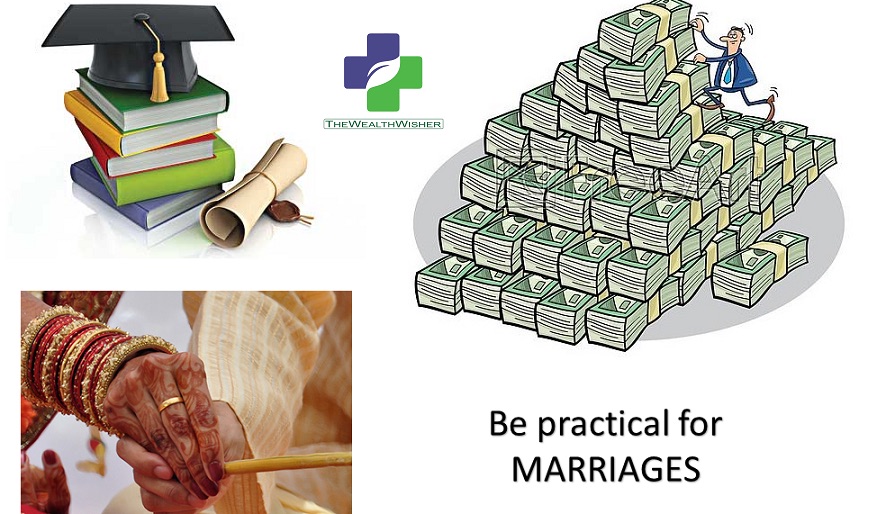
In a society where the confluence of marriage, education, and wealth holds substantial significance, it’s intriguing to delve into the dynamics of these life aspects and their impact on individuals. This exploration aims to shed light on the multifaceted relationship between these elements and how they shape our perspectives, behavior, and personal growth.
Education, wealth, and marriage are commonly perceived as cornerstone achievements in adult life. However, their intertwined nature often leads to complex scenarios that can both benefit and challenge individuals involved.
Education, for instance, lays the foundation for understanding the world around us. It equips us with the knowledge and skills that pave the way for opportunities, ultimately leading to financial stability. This financial stability, or wealth, is often considered a desirable trait in a potential life partner. However, the presence or absence of wealth can significantly influence the dynamics of a relationship.
When two people from wealthier backgrounds unite, they bring along not just their personal affluence but also a certain mindset that may not always be positive. While wealth can provide comforts and ease in life, it can sometimes lead to a sense of superiority and entitlement. This superiority complex can warp their perspective, leading them to mistreat others or look down upon those less fortunate.
Conversely, marrying into wealth can lead to a drastic shift in lifestyle and mentality. For some, this change can be transformative, inspiring them to strive for higher goals and better their lives. However, for others, this sudden wealth can trigger negative changes. The newly affluent might develop an inflated ego, treating others poorly or believing they’re superior due to their newfound wealth.
Moreover, the psychological impact of such changes is profound. Depending on the individual, the influence of wealth can either build or break their character. The presence of wealth can often act as a magnifying glass, amplifying existing traits, whether good or bad.
On the other hand, the absence of wealth or poverty in a marriage can present its own set of challenges. Struggles for survival can strain the relationship, leading to constant tension and disagreements. However, it can also foster resilience, unity, and a stronger bond as the couple works together to overcome hardships.
In conclusion, the triad of marriage, education, and wealth is a complex web of interconnected influences. Each aspect can significantly impact individuals’ outlook on life, their behavior towards others, and their overall personal growth. It’s essential to remember that while education and wealth can provide opportunities, they should not be the defining factors of one’s character or value. Ultimately, it’s our actions and attitudes towards others that truly define us.

 Stories From Tina