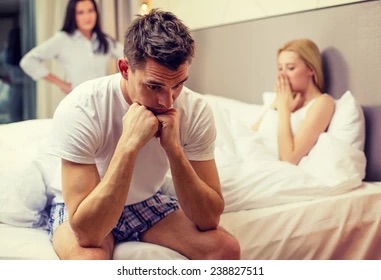
Infidelity, a term that sends shivers down the spine and breaks many hearts, is as old as relationships themselves. It’s a topic that elicits a wide range of emotions and opinions. The landscape of human relationships is as complex and varied as the individuals who form them. Among the many challenges that relationships face, infidelity stands out as one of the most emotionally charged and controversial. The narrative that men cheat more than women is pervasive, often leading to the cynical belief that not a single man exists who has remained completely loyal to one woman throughout his life. But is this a fair assessment, or is it an oversimplification of a much deeper issue? In this post, we’ll delve into the reasons behind infidelity, explore the gender myths surrounding it, and examine the profound impact cheating can have on everyone involved.
**Why Do People Cheat?**
Infidelity is rarely about just sex or attraction. Instead, it’s a symptom of deeper issues within the individual or the relationship. Here are a few reasons why men and women might cheat:
1. **Emotional Disconnection**: When someone feels neglected, unappreciated, or emotionally disconnected from their partner, they may seek connection elsewhere.
2. **Thrill and Novelty**: The excitement of new romance can be intoxicating. Some individuals may crave the adrenaline rush that comes with pursuing someone new.
3. **Escape from Reality**: Cheating can be a way for some to escape the pressures of their daily life or an unhappy relationship.
4. **Self-Esteem Issues**: People with low self-esteem might cheat to feel validated, desirable, and worthy of attention.
5. **Opportunity**: Sometimes, cheating is a matter of circumstance. A person might not set out to cheat but does so when an opportunity presents itself.
6. **Lack of Commitment**: If someone isn’t fully committed to the relationship, they may be more likely to cheat.
**The Gender Myth: Do Men Cheat More Than Women?**
The belief that men are inherently more unfaithful than women is deeply rooted in societal stereotypes. Historically, men have been portrayed as unable to control their sexual urges, while women have been seen as guardians of virtue. However, research suggests that the gap between the infidelity rates of men and women is not as wide as commonly believed. As societal norms shift and women gain more sexual autonomy, the reported rates of infidelity among women are rising.
While it’s true that certain studies have shown slightly higher rates of cheating among men, the narrative that no man can remain faithful is a gross exaggeration. Many men and women value fidelity and work diligently to maintain loyalty in their relationships.
**The Ripple Effects of Cheating**
Infidelity can leave a devastating trail, affecting both the betrayed and the betrayer. Here’s how:
1. **Emotional Turmoil**: The discovery of an affair can lead to a rollercoaster of emotions, including shock, anger, sadness, and a profound sense of loss.
2. **Psychological Distress**: Cheating can trigger depression, anxiety, and a deep-seated feeling of betrayal that can shake one’s trust in others and oneself.
3. **Mental Strain**: The stress of infidelity can lead to obsessive thoughts, difficulty concentrating, and a sense of mental chaos.
4. **Philosophical Crisis**: For some, cheating leads to a reevaluation of their beliefs about love, relationships, and morality.
5. **Physical Repercussions**: The stress of infidelity can manifest physically, causing issues such as insomnia, changes in appetite, and even leading to physical symptoms of anxiety and depression. Moreover, there is the risk of sexually transmitted infections (STIs) when sexual infidelity occurs.
**The Effects on the Cheater**
While much focus is on the person who has been cheated on, the cheater also experiences consequences:
1. **Guilt and Shame**: Many who cheat feel overwhelmed by guilt and shame, realizing the pain they’ve caused someone they care about.
2. **Fear of Loss**: Cheaters often fear the potential loss of their primary relationship, along with the respect of their family, friends, and community.
3. **Self-Reflection**: Some individuals who cheat may engage in introspection, questioning their actions and the reasons behind them.
4. **Compartmentalization and Justification**: In contrast, others might compartmentalize their actions or justify them to alleviate feelings of guilt.
**The Overall Truth About Cheating**
Cheating is a complex act with no one-size-fits-all explanation or outcome. Its causes can be deeply rooted in individual psychology, relationship dynamics, and even broader societal factors. The act of infidelity can shatter the foundation of trust that relationships are built upon, leading to an emotional aftershock that can be difficult to overcome. However, this does not mean that all relationships are doomed after infidelity; some couples manage to rebuild trust and come out stronger.
It’s also important to acknowledge that the act of cheating is a choice, not an inevitability. Despite societal narratives, personal accountability cannot be dismissed, and the notion that all men cheat is a myth that oversimplifies the complexities of human behavior and relationships. There are many men and women who choose to be faithful and value loyalty in their partnerships.
**The Importance of Communication and Healing**
In the aftermath of infidelity, open communication becomes crucial for both parties. For relationships that endeavor to survive an affair, couples therapy can be a vital tool in addressing underlying issues and fostering recovery. For individuals, therapy can help navigate the complicated emotions and assist in the healing process, regardless of whether the relationship endures.
**Conclusion**
Infidelity is a deeply human issue that reflects our imperfections and the struggles we face in maintaining intimate connections. It’s essential to move beyond gendered assumptions and recognize that cheating is a multifaceted issue affecting individuals of all genders. The emotional and psychological impact of infidelity is profound and requires empathy, understanding, and often professional support to work through.
As we consider the complexity of why people cheat and its effects, it’s crucial to foster conversations that challenge stereotypes and promote healthier relationship dynamics built on trust, communication, and mutual respect. Whether one chooses to work through the pain of infidelity or move on, the journey towards healing and understanding is a deeply personal one, filled with potential for growth and self-discovery.

 Stories From Tina