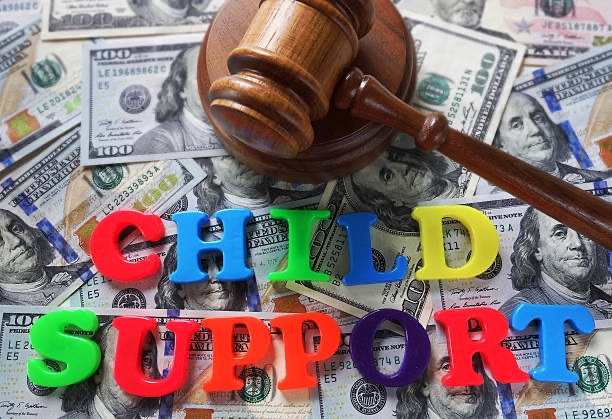
In the realm of family law, child support is often a contentious subject. It’s a system that’s designed with the best intentions at heart – to ensure that children receive the financial support they need from both parents. However, it’s not without its drawbacks and can sometimes be used as a weapon of spite rather than a tool of assistance.
The emotional toll of child support is often overlooked. Men who are put on child support may experience a range of emotions, including resentment, anger, and confusion. These feelings can stem from the belief that they are being unjustly penalized or from the strain of financial obligations that they may struggle to meet. While it’s less common, women too face similar challenges when put on child support. The emotional stress and societal stigma can be overwhelming, leading to feelings of inadequacy and guilt.
Physically, the stress of child support disputes can lead to health problems such as insomnia, heart disease, and depression. Financially, it can lead to bankruptcy or severe debt, especially if the parent is already struggling to make ends meet.
There’s also the issue of misuse. Some parents may exploit the system and use the child support payments for their personal affairs, rather than the child’s needs. This is not only unjust but also robs the child of the resources they are entitled to, impacting their overall wellbeing and development.
In some cases, child support and visitation rights are used as tools of vengeance, to punish the other parent. This not only strains the relationship between the parents but also affects the child, who is often caught in the crossfire. Constant bickering and power struggles can create a toxic environment for the child, leading to emotional distress, behavioral problems, and even psychological issues.
Sometimes, the fight over child support is not about the child at all, but about the parents’ inability to let go of their past issues. This self-centered approach overlooks the fact that the child’s welfare should always be the priority. When parents use child support as a means to inflict pain on each other, the child suffers the most. They may feel unloved, unwanted, or even blame themselves for the ongoing conflict.
Moreover, the current system often pits parents against each other. Instead of fostering cooperation and mutual agreement for the benefit of the child, it can inadvertently promote conflict. A parent might be forced to pay an amount they can’t afford, pushing them further into financial hardship. This not only hampers their ability to recover and stabilize their life but also affects their self-esteem and emotional well-being.
Child support should be fair, taking into consideration the actual needs of the child and the financial capabilities of the parents. It should not be used to punish the other parent or to support lifestyles unrelated to the child’s welfare.
It’s important to remember, despite the conflicts and complexities, at the end of the day, it’s the children who are caught in the middle. They are often the ones who bear the brunt of these disputes, which can impact their mental and emotional health, their relationship with both parents, and their view of relationships and family dynamics in the future.
the child support system, though well-intentioned and necessary, has its flaws. It’s crucial to address these issues to ensure that it truly serves its purpose – to safeguard the child’s well-being and ensure their needs are met, While the child support system is designed to ensure the financial well-being of children whose parents have separated, it can sometimes lead to unintended consequences. One of these is the potential for financial manipulation and exploitation. For example, a wealthier parent may try to hide assets or underreport income to reduce their child support obligations. On the other hand, a less financially stable parent may become overly dependent on child support and may even attempt to use the child as leverage to extract more money.
There’s also the issue of enforcement. Collecting child support can be a complex and frustrating process, especially if the paying parent refuses to comply or has inconsistent income. In some cases, the parent may even go to great lengths to avoid paying, such as quitting their job or moving to another state. This can leave the custodial parent struggling to provide for the child’s needs.
Moreover, the child support system doesn’t always consider the qualitative aspects of parenting. It focuses primarily on financial support, neglecting the importance of emotional support, time spent with the child, and co-parenting efforts. This can create a lopsided view of parenting where the non-custodial parent is seen as nothing more than a source of income.
Despite these issues, it’s important to note that child support plays a crucial role in providing for children’s needs and reducing child poverty. Therefore, instead of abolishing the system, we should aim to reform it. This could involve improving transparency, making enforcement more effective, and promoting a more balanced view of parenting.
it’s important for parents to put their differences aside and focus on what’s best for the child. After all, the purpose of child support is to ensure that children receive the financial support they need to thrive, regardless of The child support system could be improved by adopting a more comprehensive approach that takes into account all aspects of a child’s well-being. This includes not only financial support, but also emotional, educational, and medical needs. To this end, it may be beneficial to implement policies that encourage co-parenting and shared custody arrangements, as these have been shown to have positive effects on a child’s development.
Another potential solution would be to revise current income calculation methods. The child support system could be more equitable if it considered both parents’ financial circumstances and made allowances for changes in income, living conditions, or family size.
Additionally, the use of advanced technology could streamline the child support process and make it more user-friendly. For example, mobile apps could be used to track payments, send reminders, and provide updates on legal proceedings. This would not only improve transparency, but also make it easier for parents to manage their child support obligations.
Furthermore, there should be more resources available to help parents navigate the child support system. This could include legal aid for low-income families, educational programs to teach parents about their rights and responsibilities, and support groups to provide emotional assistance.
Finally, it’s crucial to remember that the ultimate goal of child support is to promote the best interests of the child. This means ensuring that children have the resources they need to grow, thrive, and reach their full potential. Therefore, any changes to the system should be guided by this principle.

 Stories From Tina