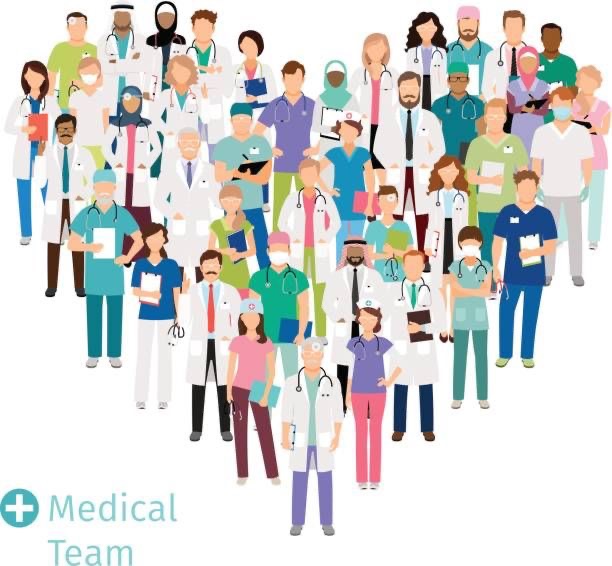
Nursing is not merely a profession but a profound transformational journey that reshapes one’s views on life, health, and mortality. From the intricate workings of human anatomy to the emotional landscape of patient care, nurses and healthcare professionals develop a unique lens through which they see the world. Their experiences in the healthcare system imbue them with insights that alter their physiological, psychological, and mental perspectives.
Physiological Insights:
Nurses have an intimate understanding of the human body. Their education and experience provide them with a deep appreciation for the resilience and fragility of life. Witnessing the body’s ability to heal and recover can be awe-inspiring, while seeing it fail can be humbling. This duality creates a profound respect for the intricate balance of life processes. Healthcare workers learn to see beyond the skin, recognizing the complex systems at play within each person. They become finely tuned to the signs and signals that indicate well-being or distress, often perceiving health issues before they are apparent to the untrained eye.
Psychological Transformation:
The psychological transformation begins with the empathy that is both necessary and inherent in patient care. Nurses become attuned to the emotional and mental states of their patients, often acting as confidants and counselors. They witness the spectrum of human emotions, from the joy of a patient’s recovery to the despair of a life-limiting diagnosis. This exposure to the human experience in its most raw form broadens their understanding of psychological health and the impact of illness on the mind.
Physical and Mental Resilience:
The demands of the healthcare field are not only intellectual but also physical. Long hours, night shifts, and the need for constant vigilance forge a level of physical and mental endurance that is unparalleled in many other professions. Healthcare workers learn to function at their best even under immense stress and fatigue. This physical and mental resilience bleeds into other areas of life, creating an overall robustness that can handle life’s challenges with a unique fortitude.
Perception of Death and Loss:
Perhaps one of the most profound ways in which nursing changes an individual is in the perception of death. Constant exposure to the end of life provides a perspective that is often more pragmatic yet deeply compassionate. Nurses understand that death is a natural part of life, and they are skilled in providing comfort not just to the dying but also to their families. While they grieve for losses, they also learn to appreciate the beauty of life’s finite nature and the importance of quality of life over quantity.
Empathy for the Bereaved:
Healthcare workers do not become desensitized to death; rather, they develop a sensitivity to the needs of those who are grieving. They often serve as a bridge between the living and the passing, offering support and understanding to those left behind. This intimate role with death and bereavement endows them with a profound ability to empathize with the bereaved, acknowledging their pain while providing comfort and closure.
Altered Worldview:
All these factors contribute to a worldview that is markedly different from those outside the healthcare field. Nurses see not just people, but stories of life, resilience, and the human spirit. They appreciate the small victories and understand the significance of compassionate care. The knowledge that health can change in an instant makes them value preventive care and wellness in a way that others may not fully grasp.
In conclusion, the healthcare field, especially nursing, fundamentally reshapes those who are a part of it. The constant interaction with the various facets of human vulnerability and strength provides a perspective that is both holistic and intimate. Nurses develop an understanding of the human body that is as compassionate as it is scientific, allowing them to appreciate the delicate balance of life and health.
The Shift in Personal Health Habits:
The firsthand knowledge of how lifestyle choices can directly impact one’s health often leads healthcare professionals to make more conscious decisions about their own health and well-being. They know the risks of poor diet, lack of exercise, and unhealthy habits, making them more likely to adopt and maintain healthier lifestyles.
The Value of Human Connection:
Furthermore, the relationships nurses build with patients underscore the value of human connection. They often see people at their most vulnerable and are reminded daily of the importance of kindness, patience, and understanding. In a world where many interactions are superficial, healthcare professionals are privy to the depth of human emotion and experience.
Educational Perspectives:
Educators in the field of nursing and healthcare also emphasize the importance of continuous learning, not only for professional development but also for personal growth. The ever-evolving nature of medicine requires healthcare workers to be lifelong learners, which fosters a mindset of curiosity and adaptability.
Advocacy and Compassion:
The nursing perspective is also one of advocacy. Nurses become advocates for their patients, often navigating complex healthcare systems to ensure that individuals receive the care they need. This role extends beyond the hospital or clinic, with many nurses involved in public health initiatives, policy-making, and community health education.
Conclusion:
The transformative journey of a nurse is one of constant growth, challenge, and reflection. It is a path that fundamentally alters how one perceives health, illness, and mortality. Through their unique lens, nurses and healthcare professionals see the interconnectedness of mind, body, and spirit. They understand the value of every breath, the importance of every heartbeat, and the profound significance of every human touch.
As they navigate the complexities of the healthcare system, they emerge with a deeper understanding of what it means to be alive, the responsibilities of caring for others, and the myriad ways in which life can be celebrated and honored, even in its final moments. For those in the healthcare field, the lessons learned from the delicate dance between life and death are ones that enrich their own lives and the lives of those they touch, painting a picture of existence that is rich, complex, and deeply human.

 Stories From Tina